.png)
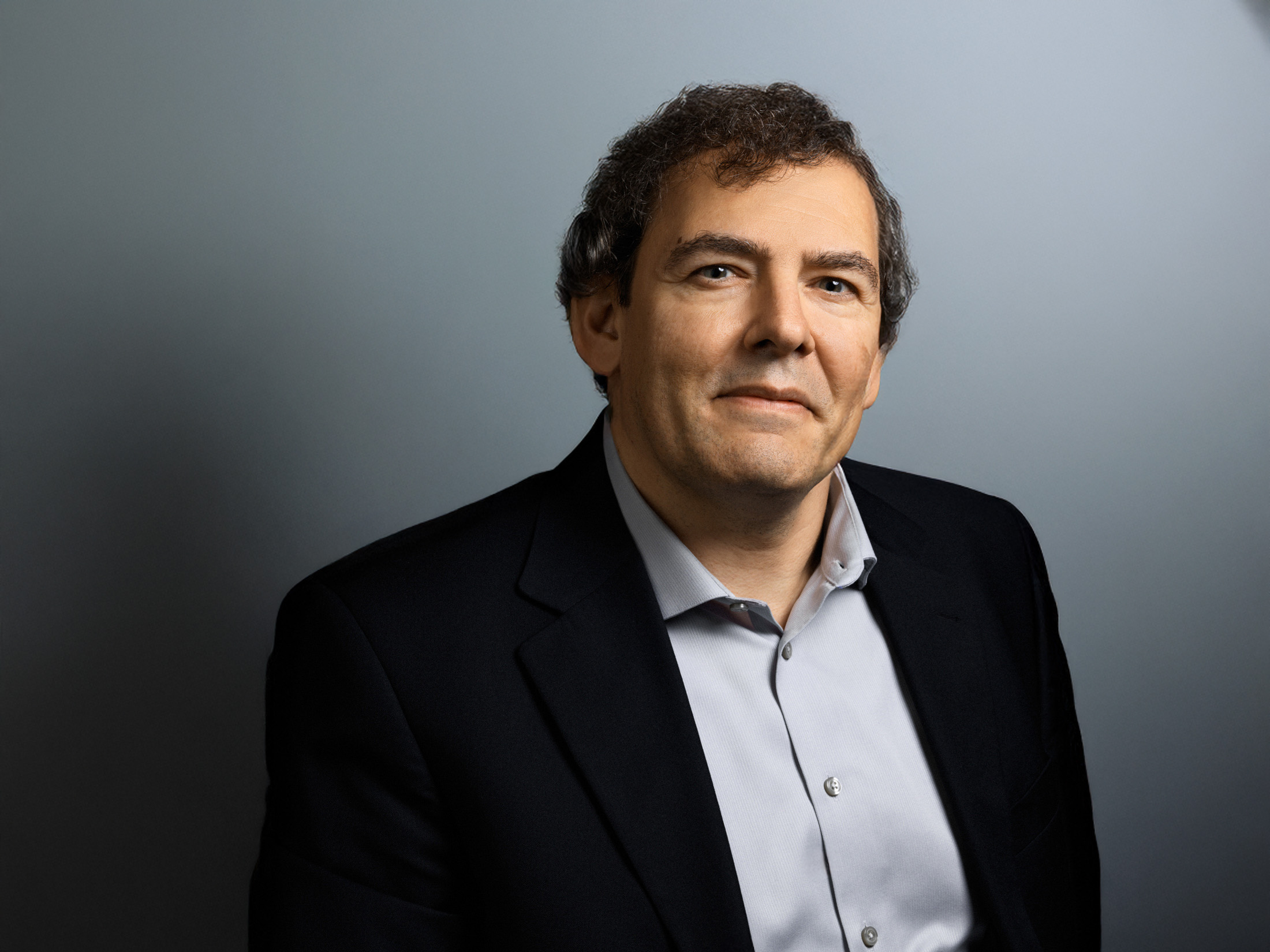
Abdulkader Rahmo is a biochemist specializing in molecular diagnostics, regenerative medicine, and biotechnology. He earned his degree from the Swiss Federal Institute of Technology Zurich and his PhD from the University of Southern California, later founding a clinical genetics laboratory in Damascus and serving on the University of Damascus faculty. After moving to the United States in 2013, he was a visiting scientist at Western University of Health Sciences and continues to develop stem cell–based biotech ventures.
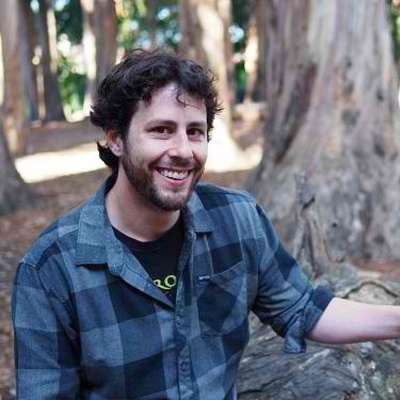
Alan Mardinly is Chief Scientific Officer and cofounder of Science Corp., where he leads biohybrid brain and vision restoration projects using optogenetics. He has over 15 years of neuroscience research experience spanning stem cells to brain implants. He received a BA from the University of Chicago and a PhD in neurobiology from Harvard studying transcriptional control of synaptic plasticity. He later developed holographic optogenetics at UC Berkeley and previously worked at Neuralink.
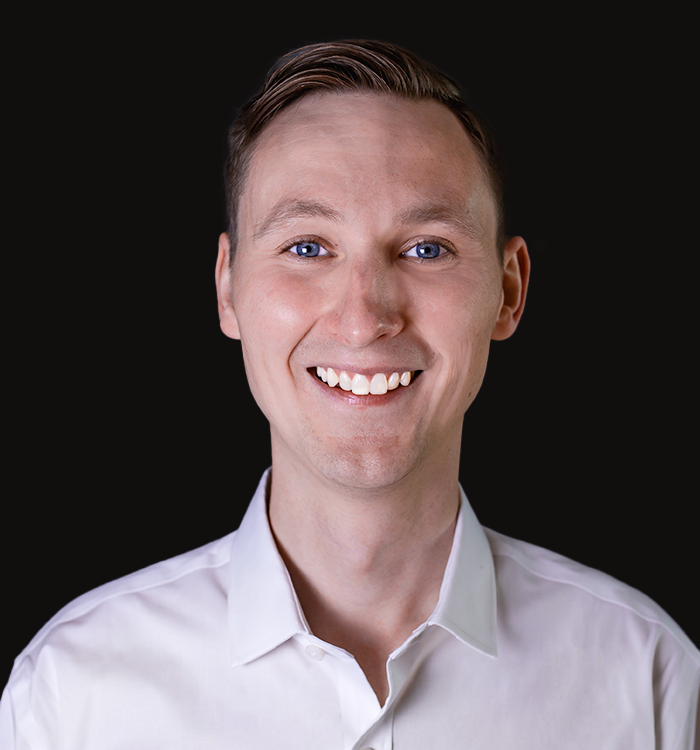
Alex Colville is the Co-Founder and General Partner of Age1, a leading longevity-focused venture fund. He previously served as Chief of Staff at the Amaranth Foundation and holds a PhD in genetics from Stanford, where he studied rejuvenation biology in Tom Rando’s lab.
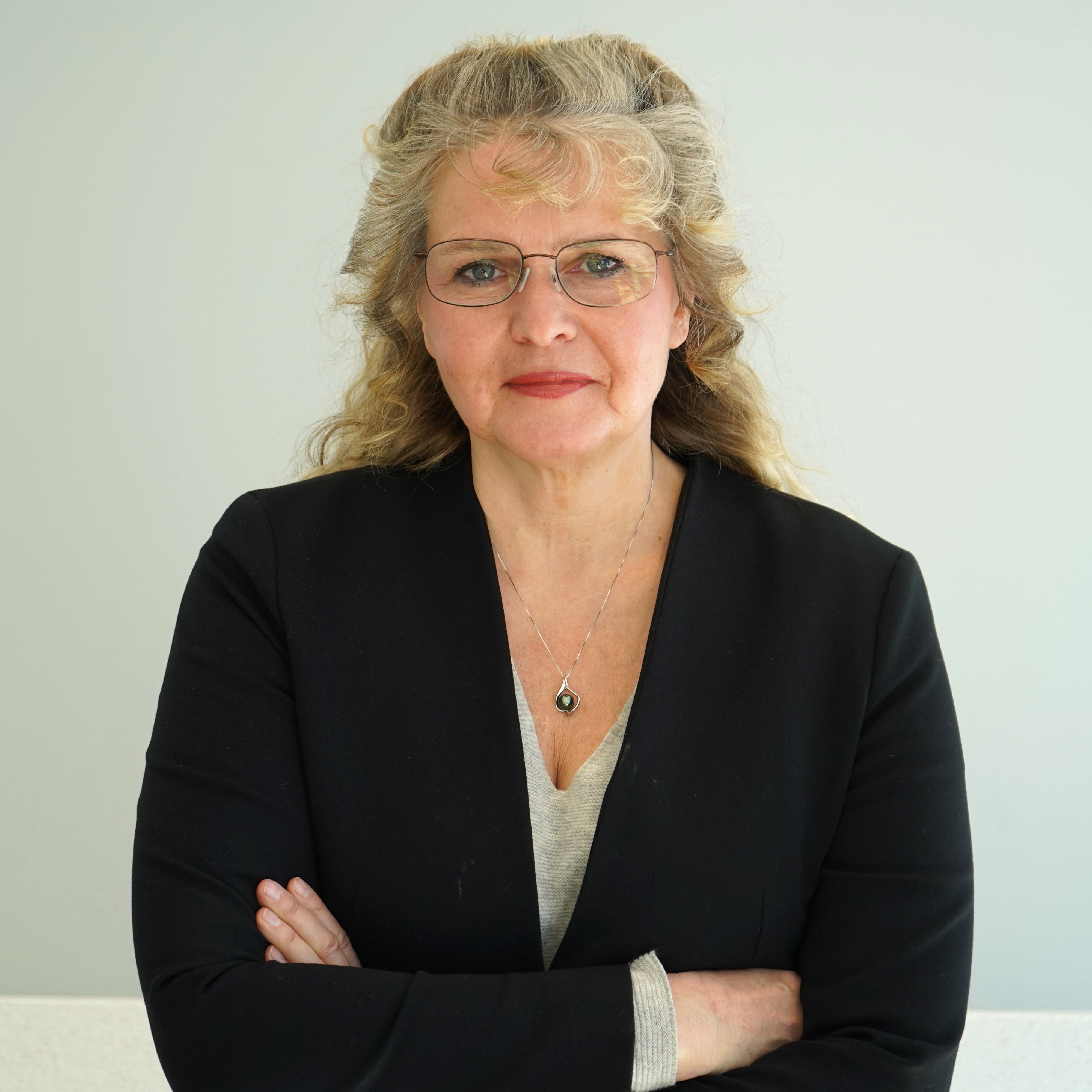
Anastasia Khvorova is a professor at UMass Chan Medical School and a leading pioneer in RNA therapeutics, known for developing chemically modified siRNA platforms that enable delivery to tissues beyond the liver, including the brain and muscle. Previously, she held scientific leadership roles at Amgen, Thermo Fisher Scientific’s Dharmacon division, and RXi Pharmaceuticals, helping advance RNA-based therapies from discovery to clinical application. She earned her Ph.D. in biochemistry from the Russian Academy of Sciences and has become a major innovator in extrahepatic RNA drug delivery.
Andrea (Ande) Shafer of the Laboratory of Behavioral Neuroscience, NIA, is an Associate Member at the Neuroscience and Mental Health Institute in the University of Alberta. Formerly, she served as the U.S. Medical Director for Neurology and CNS Inflammatory Diseases at Sanofi. She conducts longitudinal neuroimaging research on aging, Alzheimer’s disease, and brain structure-function relationships using MRI, PET, and diffusion imaging. She earned her Ph.D. in cognitive neuroscience from the University of Alberta, focusing on how emotion shapes cognition across the lifespan.
Annie W. Yang, MD is a postdoctoral VA Scholar with the Yale National Clinician Scholars Program. A general internist trained at Harvard, Rutgers, and UCLA, her research works to improve care quality for older adults across community and long-term care settings, with a focus on age-friendly health, low-value care, and nursing home quality.
Arielle Galinsky is the CEO and Co-Founder of The Legacy Project, a national nonprofit that connects college students and older adults in their communities for mutual storytelling, uplifting and documenting life stories. Arielle, an MPP/JD candidate at the Harvard Kennedy School and Yale Law School, is committed to advancing aging policy reform at both the state and national levels.

Audrey Medeiros is Program Manager of Scientific Innovation and Strategic Investments at the Massachusetts Life Sciences Center, where she oversees life science investment programs that drive research, collaboration, and growth across public, private, and nonprofit sectors. Trained as a neuroscientist, she brings over a decade of experience studying cellular neuroscience and neurodegeneration.
Brandi Simpson is the Senior Vice President of Business Development at Switch Therapeutics. She is a biotech executive with 20+ years of experience in corporate and business development, operations, and leadership. Formerly VP of Corporate and Business Development at Voyager Therapeutics, she has led transactions exceeding $6B in total value and previously served as CEO of Navigen.

Carolyn Lowe is a Scientific Director at Novo Nordisk, where she has built and led in vitro programs for early target discovery in cardiometabolic disorders. With expertise in human disease biology, cellular technologies, and AI-enabled discovery, she drives innovative approaches to obesity research and translational modeling. She also brings a dual perspective as a biopharmaceutical leader and care partner, and serves as a Parkinson’s Foundation research advocate to advance patient-centered approaches in neuroscience.
Christian Howell is the CEO of Cognito Therapeutics, advancing innovative non-invasive sensory stimulation technology to improve outcomes in neurodegenerative disease. He previously led strategic growth initiatives at Aetion and Medtronic.
Christian Mirescu is Chief Scientific Officer at Monument Biosciences, where he leads drug discovery focused on neurodegenerative disease and neuroimmunology. Previously, he was Senior Vice President and Head of Neuroimmunology at Vigil Neuroscience, following leadership roles at Biogen and Merck & Co., where he directed therapeutic programs centered on disease-modifying approaches for neurological disorders. With over 15 years of industry experience, his career has focused on translating discoveries in neuroimmune mechanisms into potential therapies for neurodegenerative disease.
Danica Chen is Professor of Metabolic Biology, Nutritional Sciences, and Toxicology at UC Berkeley and a member of the Academy for Health and Lifespan Research. A Searle Scholar, Ellison Scholar, Kavli Fellow, and Hellman Fellow, her research examines how genetic pathways control lifespan and seeks therapeutic strategies to slow aging and reverse degeneration.
Danny is an investor and engineer. He previously worked at Breakout Ventures. He holds a PhD in Biomedical Engineering from Boston University, where he was an NIH F31 Fellow, with a research focus in computational neuroscience.
Dan Rizzuto is the Founder, President, and CTO of Nia Therapeutics, where he is building the world’s first personalized neurostimulation system for memory loss. He developed the company’s core technology at the University of Pennsylvania with Dr. Michael Kahana and has led large-scale neurotechnology efforts at Northstar Neuroscience, the Swedish Neuroscience Institute, and the Allen Institute for Brain Science.
Dr. Salat studies brain aging and Alzheimer’s disease with a focus on vascular contributions to cognitive impairment and dementia. Using advanced neuroimaging, his work links vascular risk factors such as blood pressure and insulin resistance with brain tissue integrity and vascular injury. His research also connects cerebral blood flow and white-matter disease with Alzheimer’s pathology, showing that cerebral hypoperfusion contributes to neural deterioration and cognitive decline, particularly when combined with classical Alzheimer’s pathology.

Dennis J. Selkoe is Co-Director of the Ann Romney Center for Neurologic Diseases and the Vincent and Stella Coates Professor of Neurologic Diseases at Harvard Medical School. A pioneer in uncovering the molecular basis of Alzheimer’s disease, his work defined the roles of amyloid-β, tau, APP, and presenilin in disease pathogenesis, shaping modern therapeutic strategies targeting amyloid and synaptic dysfunction.
Neurotechnology, McGovern Institute, MIT & Investigator, HHMI
Ed Boyden is the Y. Eva Tan Professor in Neurotechnology at MIT, an HHMI and McGovern Institute investigator, and leader of the Synthetic Neurobiology Group, where he develops powerful tools to understand and repair the brain. His work spans advancing neural technologies, revealing fundamental brain mechanisms, and laying foundations for biologically accurate brain simulations.
Dr. Emad Eskandar, Professor in the Department of Psychiatry and Behavioral Sciences at Einstein College of Medicine studies cortico-striatal circuits involved in learning, motivation, addiction, and recovery from brain injury. His lab combines microelectrode recordings, electrochemical measurements, and physiologically informed deep brain stimulation in animals and humans. The group develops new therapies for neuropsychiatric disorders such as stroke-related aphasia and memory disorders. A neurosurgeon and researcher, he previously held leadership roles at Harvard Medical School and Massachusetts General Hospital.
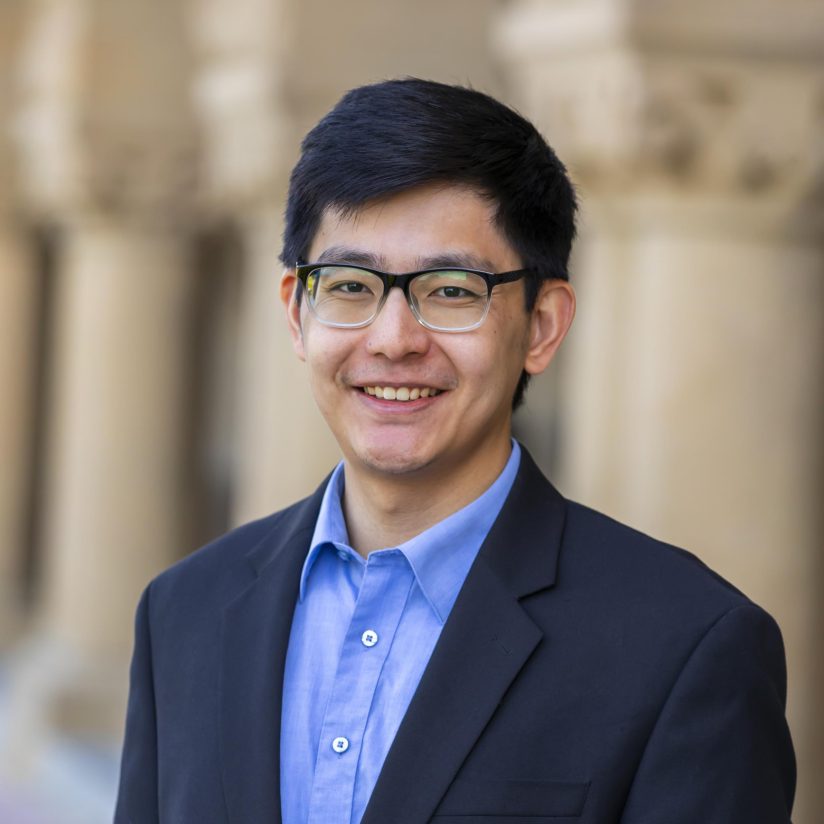
Eric Sun is Assistant Professor of Biological Engineering at MIT. He earned degrees in chemistry, physics, and applied mathematics from Harvard and completed a PhD in Biomedical Informatics at Stanford under Anne Brunet and James Zou. His research develops computational and machine-learning methods for analyzing spatial and single-cell omics data and for tracking cellular aging in the brain, aiming to decode aging biology across multiple biological scales.
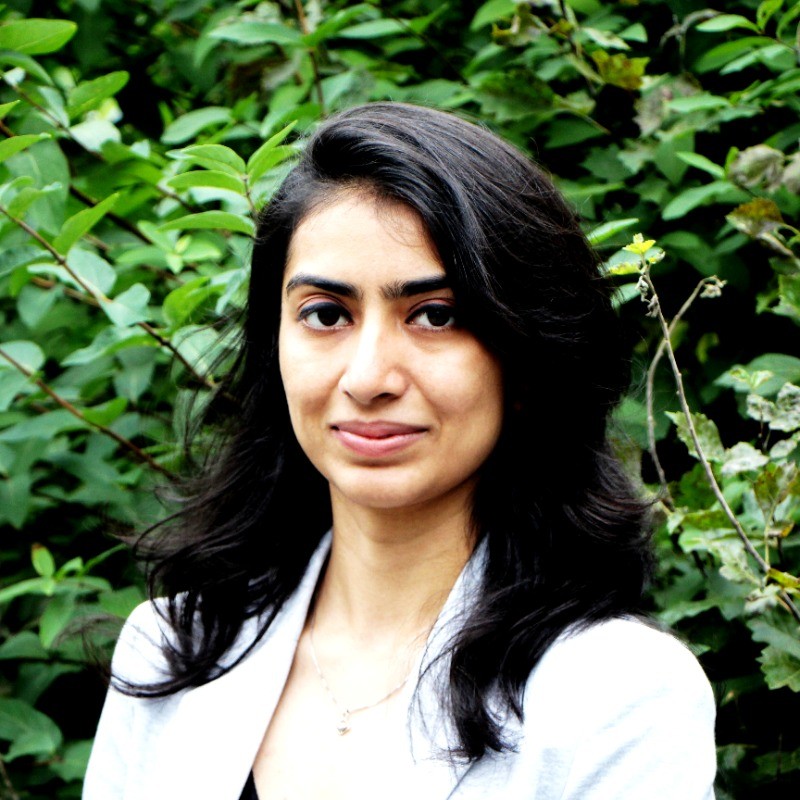
Heer Joisher is a PhD graduate from Harvard Medical School in Developmental Biology, where her research investigates retinal development to inform the biology of human macular disease. She currently serves as a Committee Member supporting Nucleate’s Board and is the former Co-President of Nucleate, Co-Founder of Emerging FemTech, and a former Harvard Medical School global education leader, with a track record of founding and leading life science innovation initiatives.
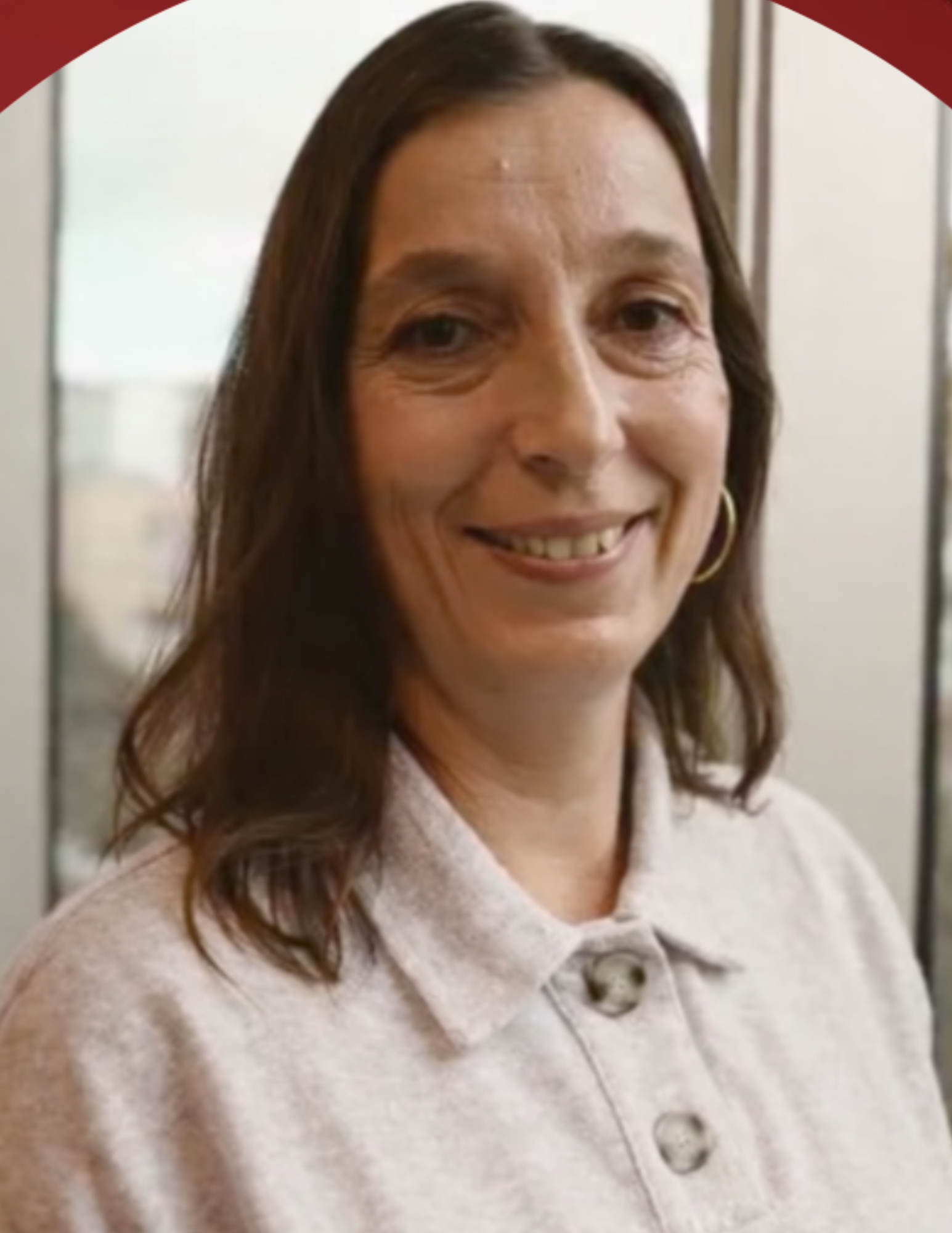
Heike Hering is a neuroscientist specializing in molecular mechanisms of cognitive and neurodegenerative disorders, with training at the Max Planck Institute and MIT. She has led discovery and clinical stage programs at Memory Pharmaceuticals, Merck, EMD Serono and Biogen, advancing new therapeutic approaches for Alzheimer's disease and multiple sclerosis.
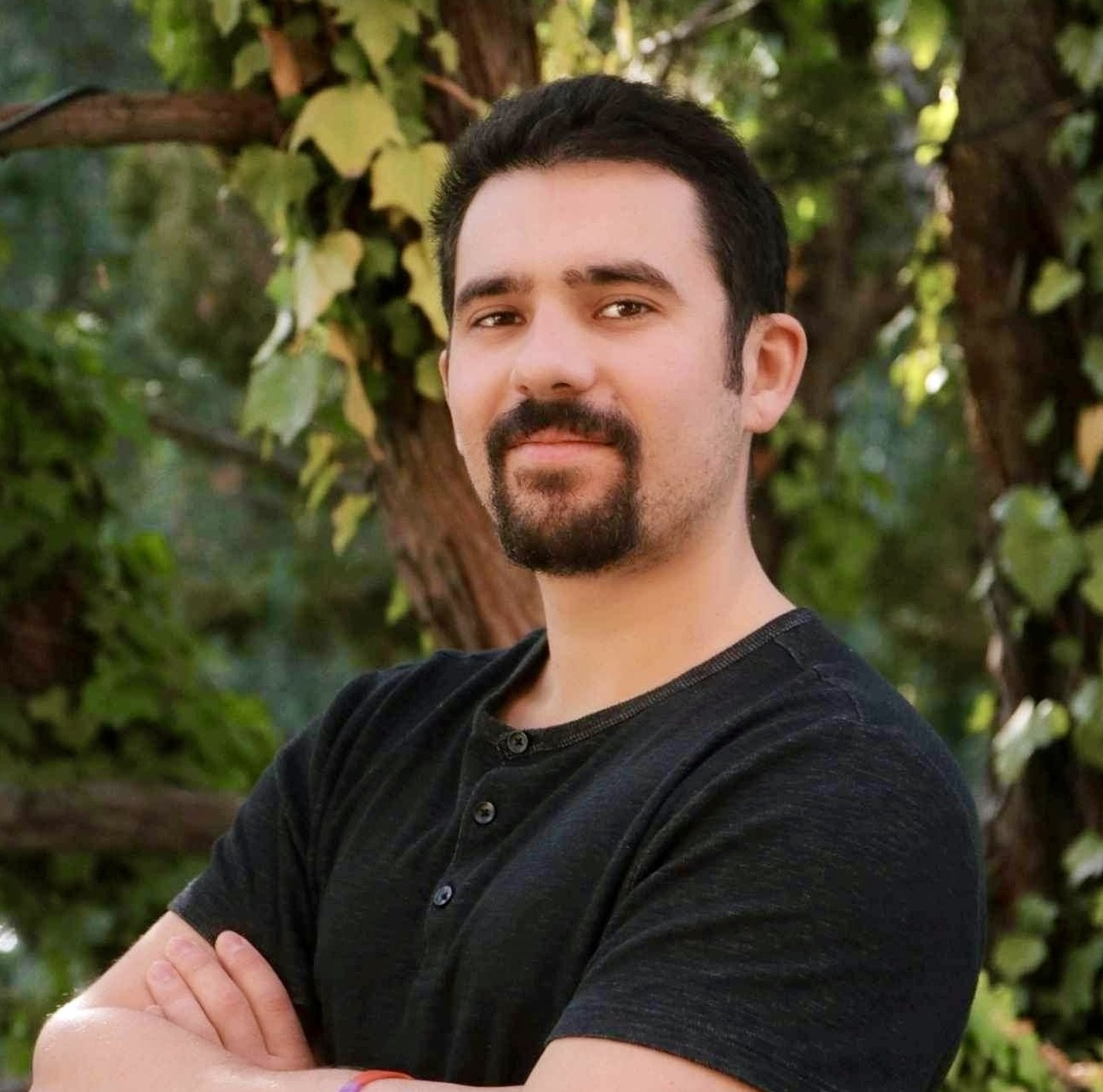
Jarod Rutledge is Director of Biotechnology and Life Sciences at Starbloom Capital and Director of Longevity Research at the Amaranth Foundation. His research uses AI, multi-omics, and imaging to build predictive tools for drug development. He has published in Nature, Cell, and Science and co-founded companies in CNS drug development, diagnostics, and computer vision. Jarod holds a PhD in Genetics from Stanford and completed postdoctoral AI training at Stanford and EMBL Heidelberg.
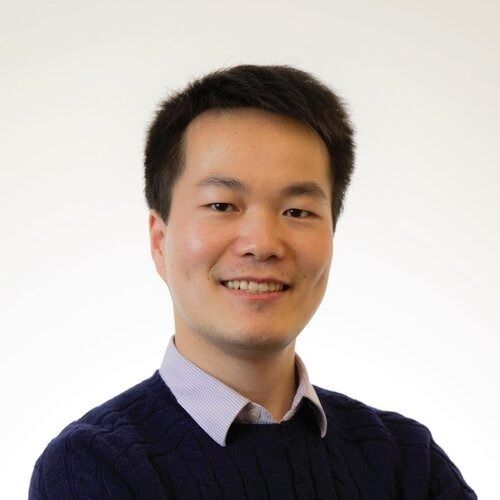
Jiang He is a scientist and entrepreneur working at the intersection of cell biology and genomics. He received his B.S. from the University of Science and Technology of China and his Ph.D. from Harvard, where he developed single-molecule imaging techniques to study viral infection and neuronal development. As a postdoctoral fellow at MIT, his work has focused on liver disease and early cancer detection. Jiang is a co-founder of Vizgen, a Boston-based company advancing spatial transcriptomic imaging technologies.
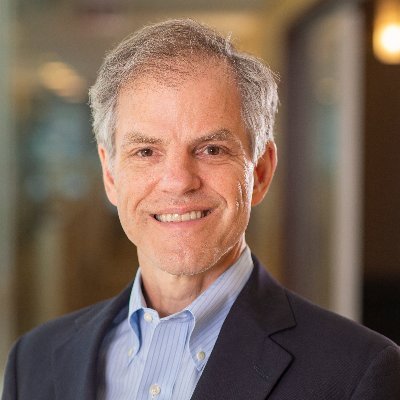
Jim leads the Wyss Institute Brain Targeting Program, developing breakthrough approaches to deliver drugs across the blood–brain barrier and enabling collaboration across industry, academia, and philanthropy. A former Abbott executive who helped spearhead the Humira® acquisition and a biotech founder, he holds MD and PhD degrees from Harvard Medical School.
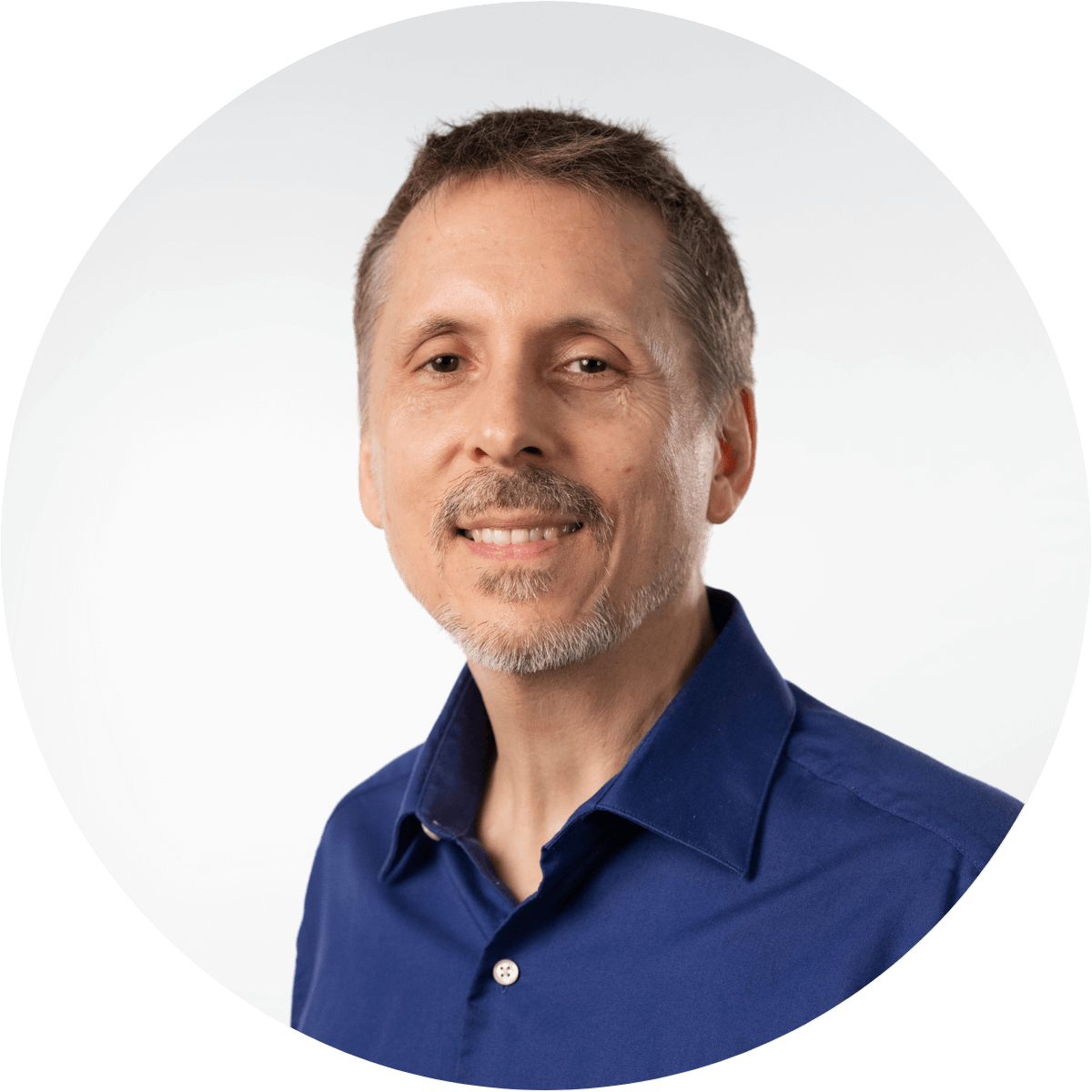
Dr. Jean Hebert is a neuroscientist and geneticist at ARPA-H whose work focuses on repairing age-related brain damage through regenerative medicine, informed by his research on stem cells, neurodegeneration, and cortical health. Formerly a professor at Albert Einstein College of Medicine and founder of BE Therapeutics, he is also the author of Replacing Aging and trained at UCSF and Stanford.
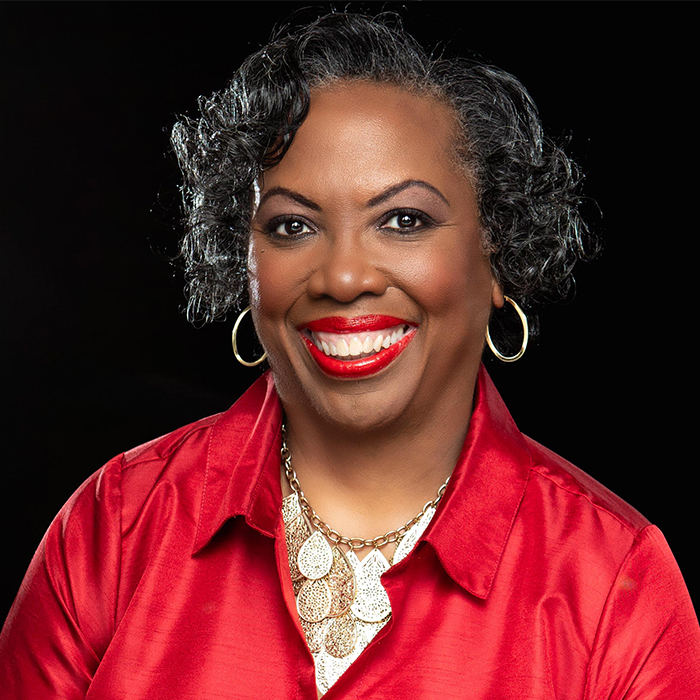
Dr. Smikle is a nationally recognized consultant who advises leading organizations across industries. Her work centers on human capital strategy, including executive development, talent management, workforce planning, and strategic planning and implementation. She has authored over 100 business articles and leads the internationally acclaimed podcast SmikleSpeaks. She serves on numerous boards and is committed to improving the lives of underserved communities through active volunteerism.
John R. Sims is Senior Medical Director and Head of Medical Development for donanemab at Eli Lilly and Company, where he leads late-stage clinical development in neuroscience, including global brand strategy for solanezumab. A neurologist by training and former Harvard Medical School faculty member and Director of the Neurocritical Care Unit at Massachusetts General Hospital, his career spans academic research in brain injury and regeneration and the execution of Phase 1–3 clinical trials in Alzheimer’s disease and related neurologic disorders.

Kat Kajderowicz is a Neuroscience PhD candidate at MIT, where she studies how hibernation biology enables cells to survive extreme stress, with applications to organ transplantation, critical care, and aging. In the past, she has worked with companies and VC firms in the aging space such as Loyal Biosciences and age1 VC.
Karen Harris is Executive Director of Mission-Related Investments and Finance at the ADDF. She leads the foundation’s venture-based investment strategy, having structured and stewarded dozens of investments, and manages the ADDF’s extensive portfolio of securities and royalty arrangements with universities and biotech companies.
Karen Thornber is the Harry Tuchman Levin Professor in Literature and Professor of East Asian Languages and Civilizations at Harvard University, where her work bridges world literature, medical and health humanities, and global inequality. Her research centers on how narratives of illness, trauma, environmental degradation, and aging shape patient experience and ethical care across cultures, highlighting the human dimensions of health and medicine in a global context.
Kevin Rhodes serves on the AFTD Persons with FTD Advisory Council. Before retiring in 2021 due to an FTD diagnosis, he spent over 30 years in healthcare technology, including 15 years as a national account executive working with health systems, provider groups, and accountable care organizations. With a background in information technology and healthcare communications, he now advocates for greater awareness, support, and resources for individuals and families affected by frontotemporal degeneration.
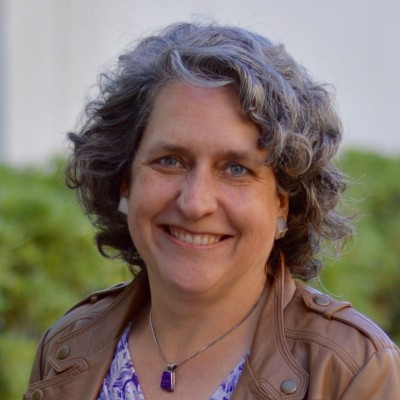
Kimberly Scearce-Levie is the Chief Scientific Officer at Manifold Bio. She previously served as Chief Development Officer at Cajal Neuroscience and spent nearly eight years at Denali Therapeutics leading translational neuroscience efforts. Across academia and industry, her work has centered around understanding the molecular and systems biology of neurological disease and translating that knowledge into therapeutic strategies.
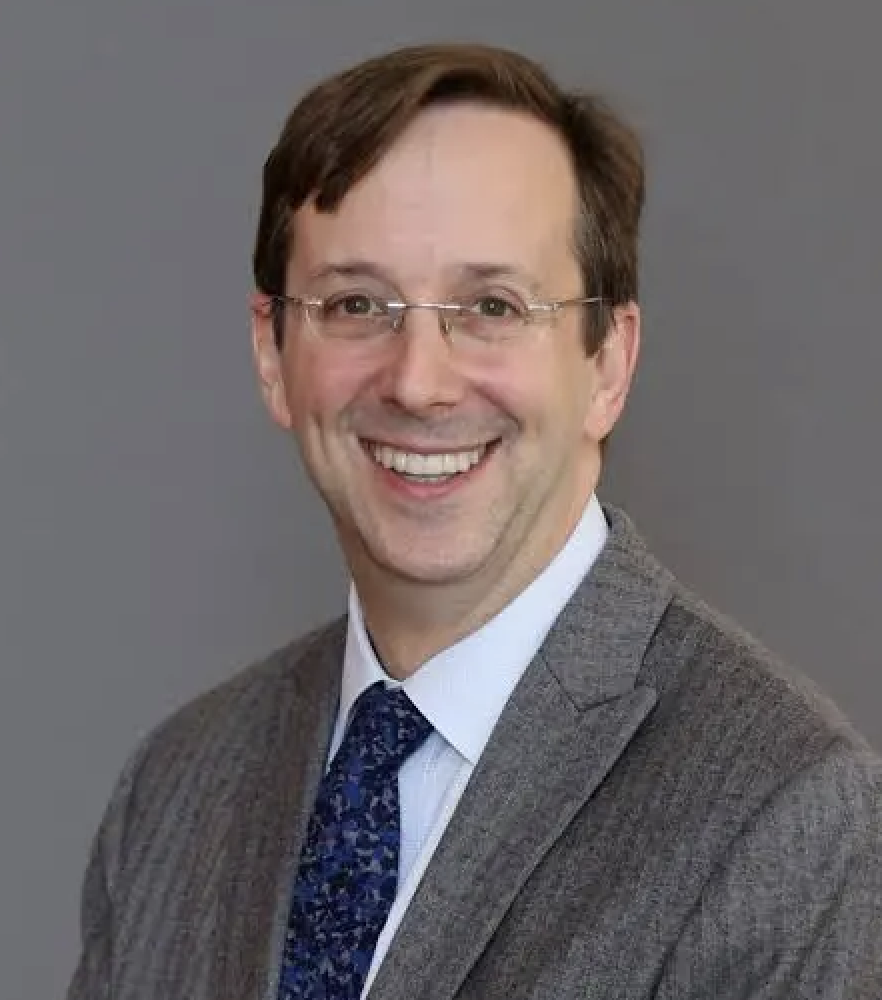
Leigh Hochberg is a neurologist and neuroscientist focused on developing neurotechnologies for paralysis and neurological disorders. He leads clinical research on the BrainGate2 Neural Interface System, studying cortical neuronal ensemble activities with the goal of creating therapeutic applications. He is a Fellow of the American Academy of Neurology and the American Neurological Association, and has received major research funding from the NIH, VA, and leading foundations.
Blue Rock Therapeutics
Mark Tomishima is Senior Vice President of Platform Discovery at BlueRock Therapeutics, advancing pluripotent stem cell platforms to translate cutting-edge science into scalable, clinically relevant therapies. He trained in Lorenz Studer’s lab at Memorial Sloan Kettering, led the SKI Stem Cell Research Facility, and received his PhD in Molecular Biology from Princeton.
Dr. Jacko is a biotech leader who has built and led R&D organizations across industry, including key roles at Serotiny (acquired by Johnson & Johnson) and BridgeBio Pharma, where he led programs in neurodegeneration and inflammatory disease. He has invented high-throughput screening technologies and uncovered drivers of neuronal maturation and aging, supported by a technical foundation in genetics, neuroscience, and RNA biology.
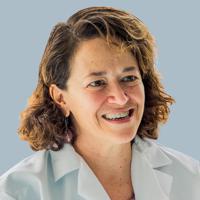
Dr. Merit Cudkowicz is Chief of Neurology at Massachusetts General Hospital and the Julieanne Dorn Professor of Neurology at Harvard Medical School, where she leads major programs dedicated to advancing treatments for ALS. A pioneer in ALS clinical research, she co-founded the Northeast ALS Consortium, has guided over 15 multi-center trials, and directs the NIH-funded NeuroNEXT Clinical Coordination Center.
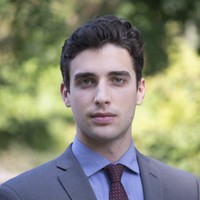
Michael Reisman is a Principal at Centerview Partners, the world's largest biotech investment bank by mergers and acquisitions (M&A) deal volume. He has executed twelve biopharmaceuticals corporate transactions totaling over $40 billion. Michael is passionate about extending healthy human lifespan. He is the founder and sole director of the private nonprofit Second Century Foundation, which aims to advance biomedical research so humans can enjoy a second century of good health.
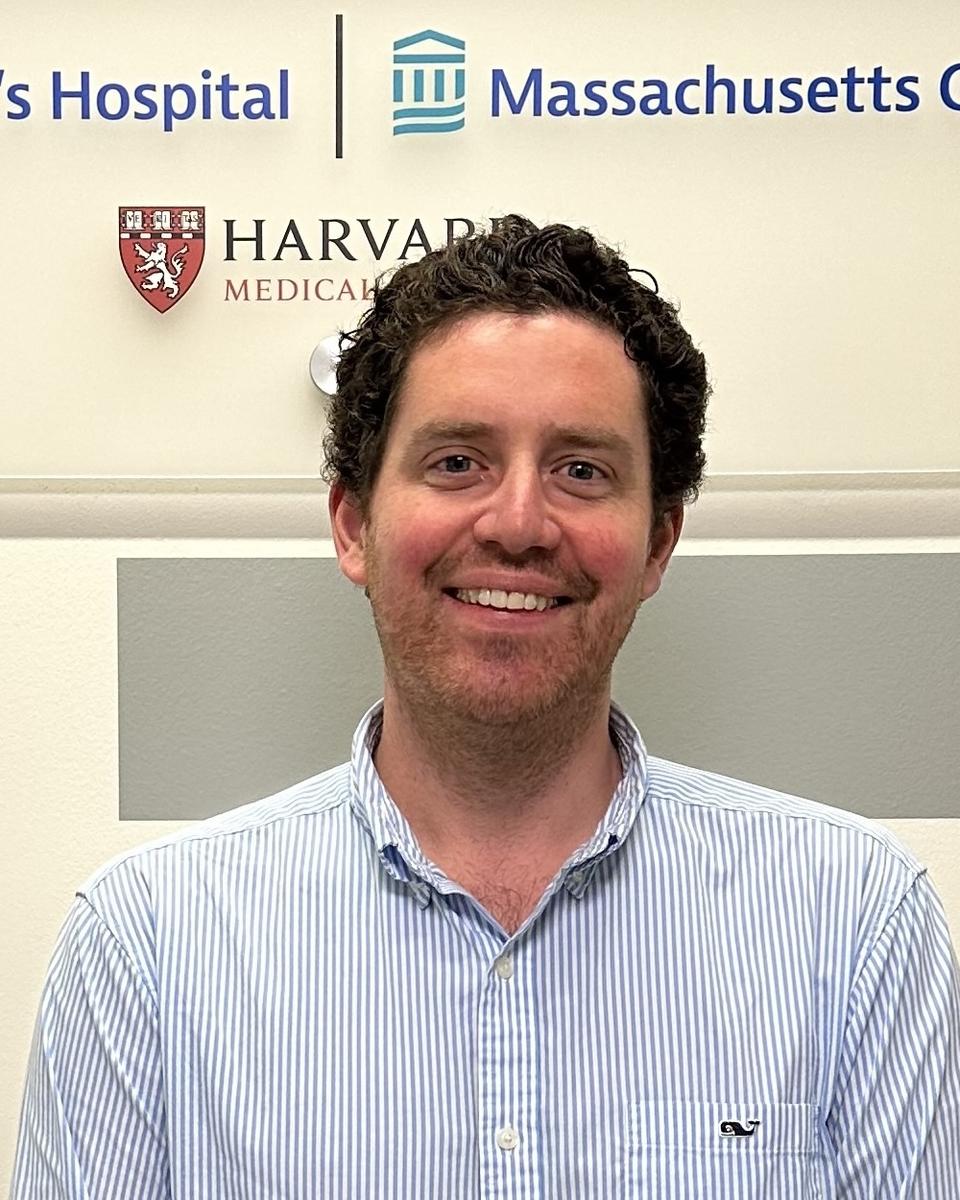
Michael Wheeler is an Assistant Professor of Neurology at Harvard Medical School, where he leads a research program at the Gene Lay Institute of Immunology and Inflammation investigating bidirectional communication between the immune and nervous systems. His lab integrates molecular immunology, systems neuroscience, and single-cell and spatial genomics to define how neuroimmune interactions shape behavior, inflammation, and therapeutic responses, including the immune mechanisms underlying psychedelics and other immunomodulatory treatments.
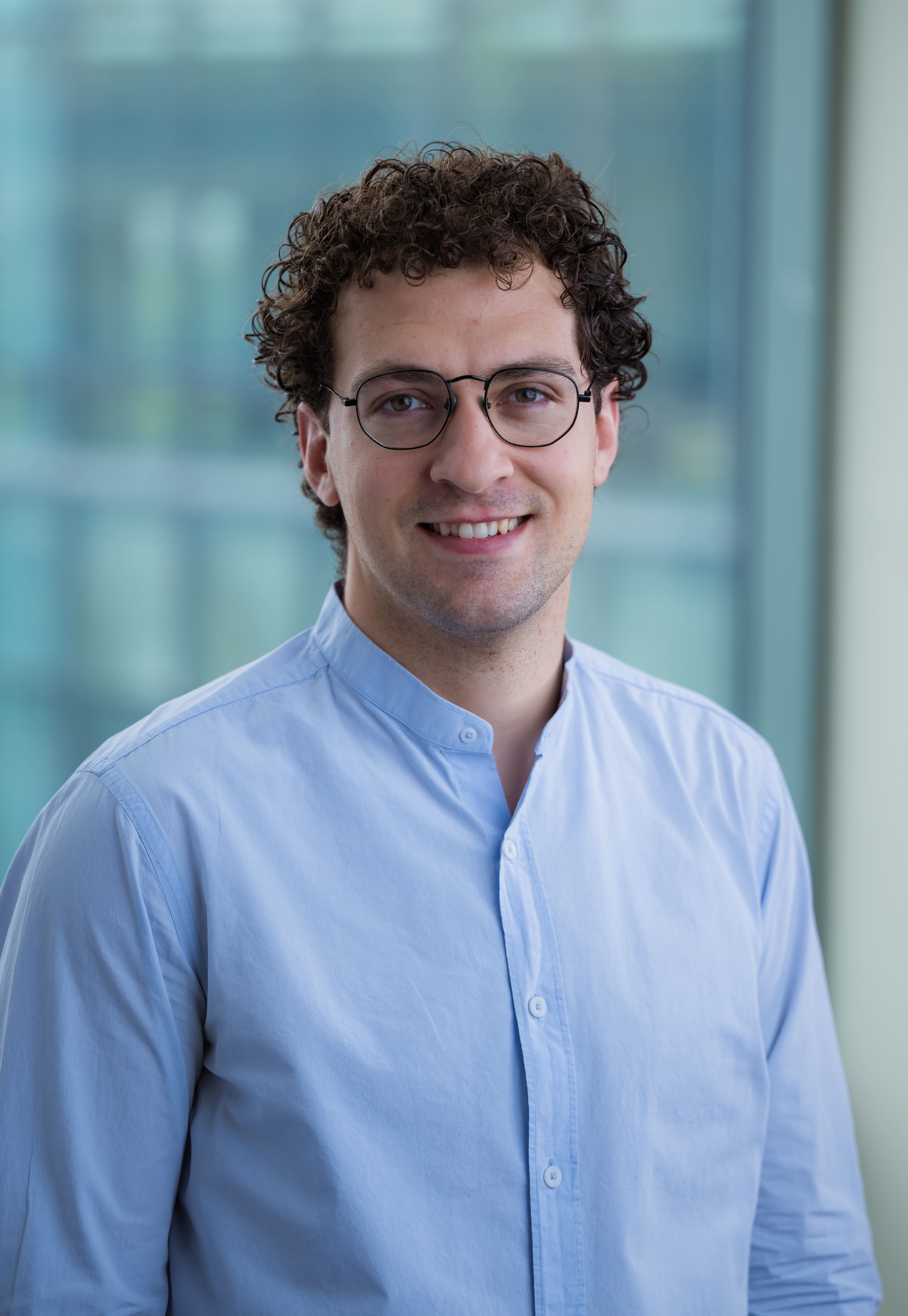
Miguel Marín-Rodero, M.D., Ph.D., MMSc, is a postdoctoral fellow in the laboratory of Diane Mathis at Harvard Medical School. He trained in medicine at the Universitat Autònoma de Barcelona (Vall d’Hebron University Hospital) and in immunology at Harvard.His research focuses on tissue-resident regulatory T (Treg) cells and their role in maintaining organ homeostasis. He identified a distinct population of meningeal Treg cells that supports brain homeostasis and shapes neuroimmune interactions in health and neurodegeneration, and has also studied tissue-adapted Tregs in metabolic organs, including visceral adipose tissue and liver.
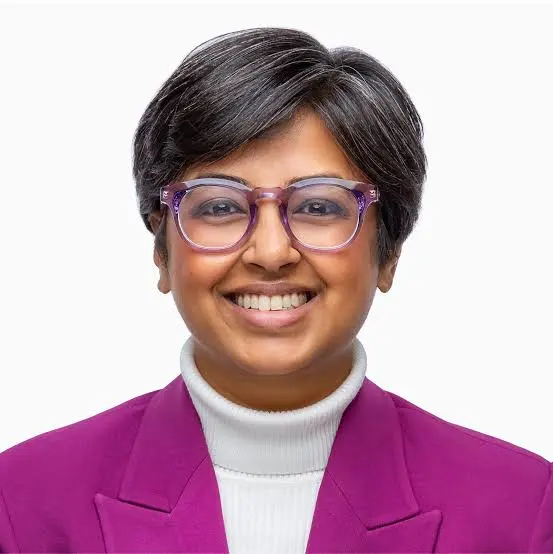
Nabiha Saklayen is Founder and CEO of Cellino, a Cambridge-based biotechnology company developing automated, AI-enabled optical bioprocessing technologies for scalable manufacturing of curative cell and tissue-based therapies. Her work aims to reverse degenerative and chronic diseases by linking innovation in Kendall Square with direct clinical impact in Massachusetts and beyond.

Neal Amin is a physician-scientist in the Department of Psychiatry at Stanford University and Founder and CEO of Sculpta, where he is developing protein-sculpting therapeutics to treat neurodegeneration and brain aging. His research integrates RNA regulatory biology, human stem cell–derived brain organoids, and translational neuroscience to uncover mechanisms of brain development and neuropathology and to design novel therapeutic strategies.
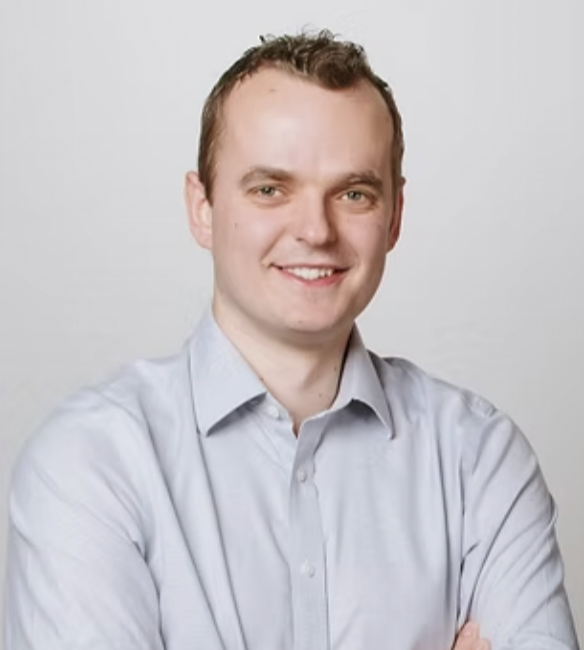
Oliver Armitage is the VP of Neural Data & Clinical Strategy at Axoft, where he builds precision neuroscience and neurotechnology platforms spanning brain–computer interfaces, neural data, and therapeutic development. He previously worked at BIOS Health and the University of Cambridge, and focuses on translating cutting-edge neuroscience into real-world clinical applications.
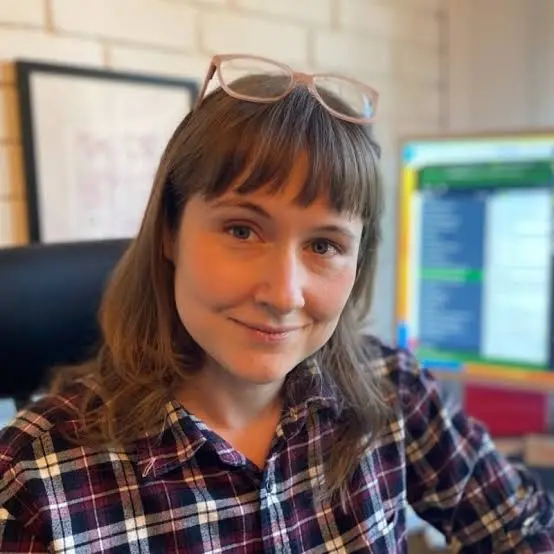
Olivia Walch is the CEO and founder of Arcascope, a deeptech startup integrating circadian tracking in clinical trials with the aim of reducing trial failures driven by timing effects. She completed her Ph.D. in Applied Mathematics from the University of Michigan, specializing in sleep and circadian rhythms, where she developed Entrain, an app designed to predict and manage jet lag. In addition to her scientific work, she is the co-editor of the textbook Political Geometry and the author of the popular science book SLEEP GROOVE.
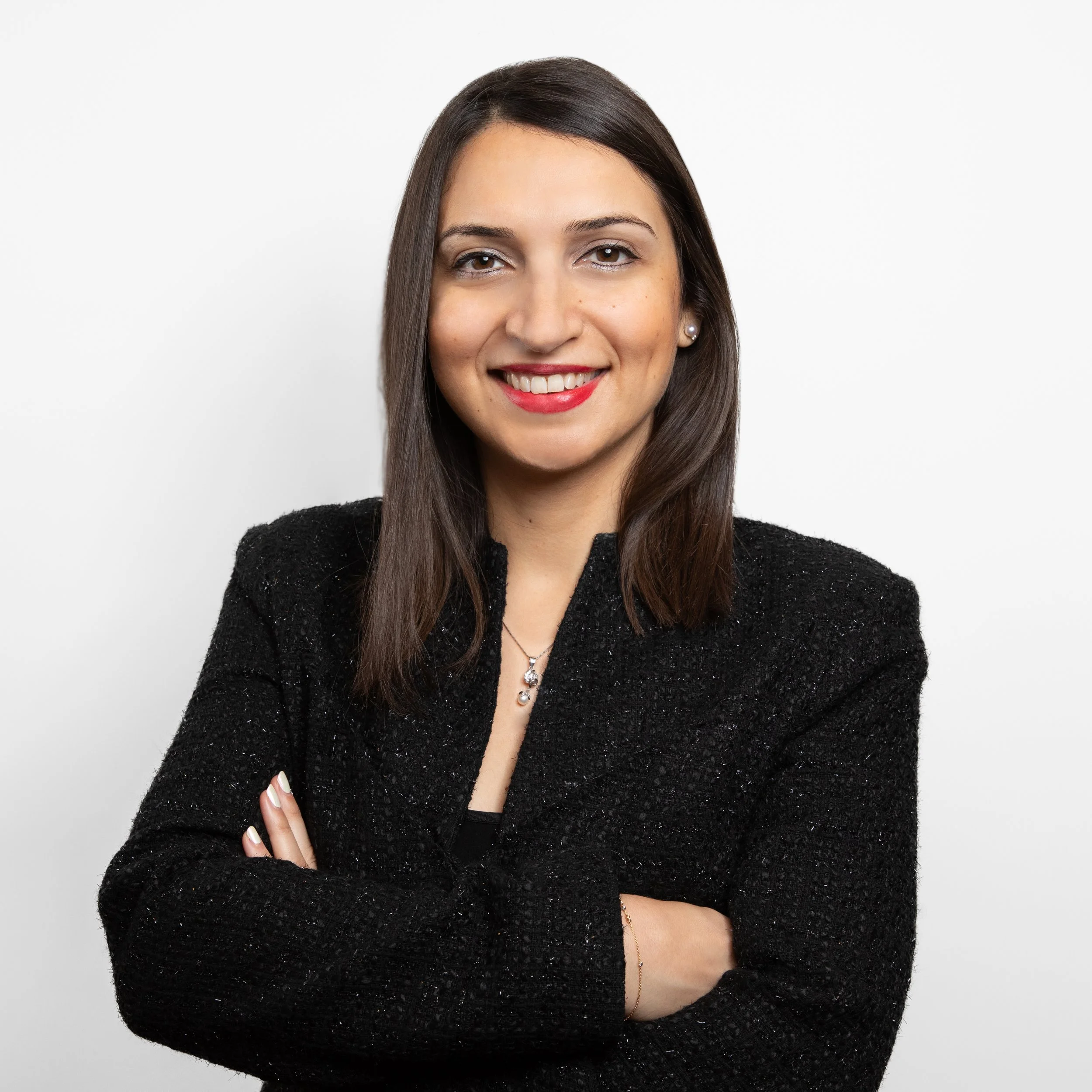
Parastoo Khoshakhlagh is CEO and co-founder of GC Therapeutics, based on technology she co-invented in George Church’s lab at Harvard Medical School. She previously co-founded Tympanogen, developing a minimally invasive hydrogel patch for eardrum repair, with research including a NASA-supported microgravity experiment on SpaceX. Her work has earned multiple awards and grants. She received a PhD in biomedical engineering from Tulane and has contributed to startups including Axosim focused on nerve-on-a-chip technologies.
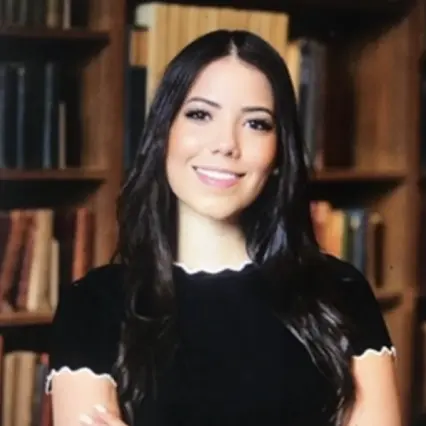
Raiany is the CEO and founder of the Florens Institute, a new 501(c)(3) designed to streamline, quantify, and inspire progress in frontier science — with an initial focus on aging biology. She helped design and launch the $101M Healthspan XPRIZE, and is the author of Redesigining Aging: The Ethics and Economics of Human Longevity, upcoming with Harvard University Press. She received the world’s first-ever PhD on the Ethics and Economics of Human Longevity (which she designed) under George Church, Oded Galor, and Steven Pinker. Raiany was previously based at the Wyss Institute for Biologically Inspired Engineering at Harvard University, and is now Scholar-in-Residence at the American Federation for Aging Research.
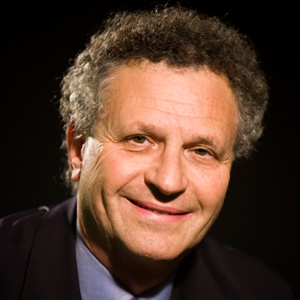
Stuart A. Lipton is a physician–scientist known for elucidating the mechanism of the FDA-approved Alzheimer’s drug memantine and discovering protein S-nitrosylation. He developed NitroSynapsin, a disease-modifying therapeutic that protects synapses and improves neurobehavioral outcomes in animal models of Alzheimer’s disease. His laboratory uses human iPSC-derived neurons, cerebral organoids, and in vivo models to develop novel therapies for AD, PD, vascular dementia, and ASD.
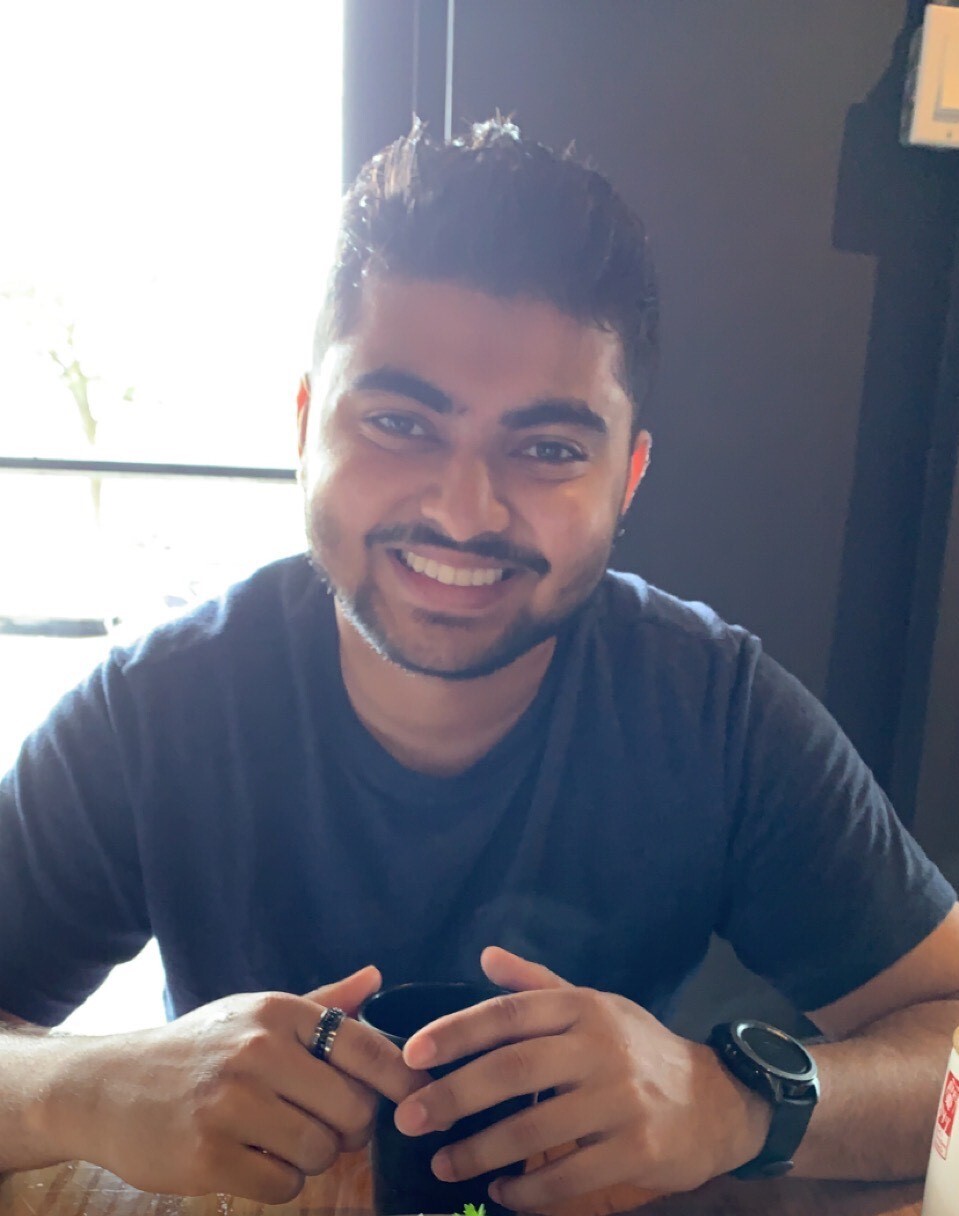
Sufal serves as Chief of Staff at Norn Group, a nonprofit “do tank” advancing longevity science by funding high-risk, high-reward aging research through Impetus Grants, developing promising talent through Talent Bridge and Nexus, and strengthening the field through strategic initiatives and public resources. He works across strategy, operations, and program development, and also co-founded LongX, a platform that lowers barriers to entry and helps early-career talent contribute to the aging field.

Thomas M. Stanley serves as a member of the Massachusetts House of Representatives, representing the 9th Middlesex district. A Waltham resident and Democrat, he chairs the Joint Committee on Aging and Independence, focusing on policies supporting older adults and caregiving systems. He has held leadership roles across multiple legislative committees and contributes to task forces on primary care, aging, and infrastructure policy.
.avif)
Vivek Gowda is Head of Research at Neoclease, bringing over a decade of experience in gene editing across academia and industry, including leadership roles at CRISPR Therapeutics. His work has advanced in vivo genome-editing platforms from discovery through CTA/IND filings and contributed to the development of the first FDA-approved CRISPR-based therapy, combining deep expertise in systems biology, molecular pharmacology, and translational research.
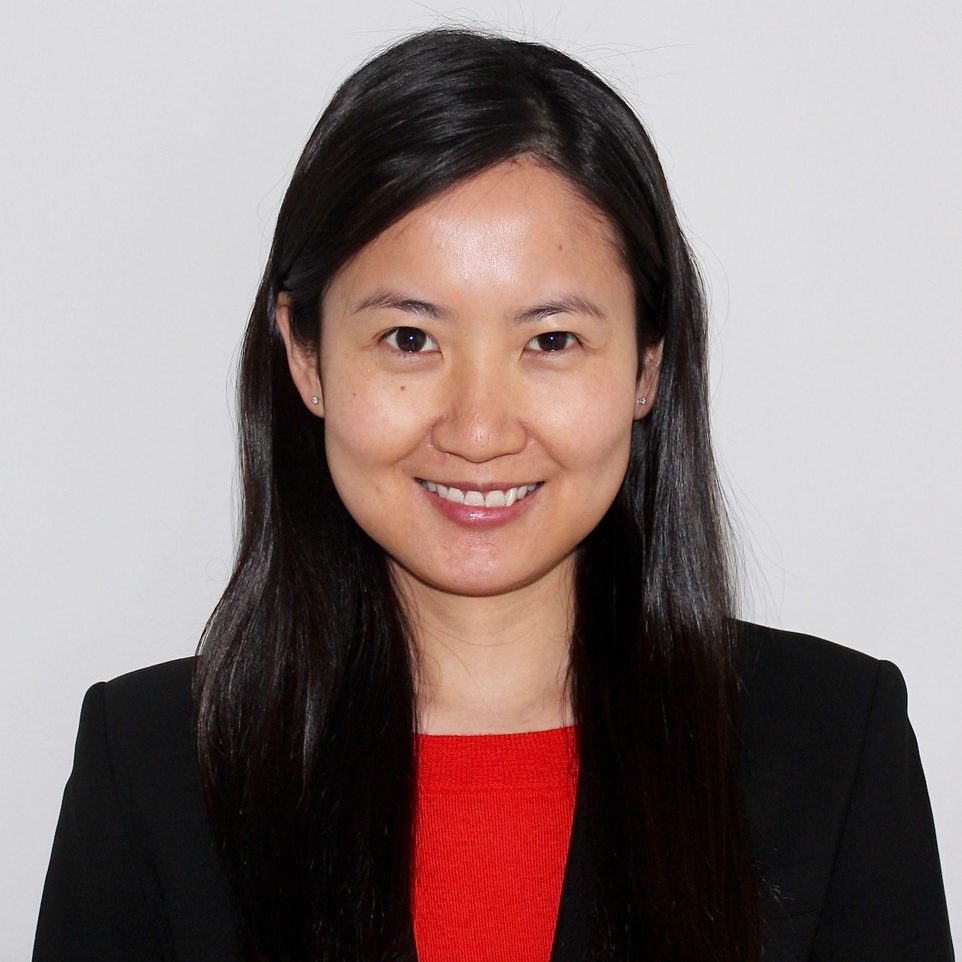
Dr. Yau is an Assistant in Neurology at Massachusetts General Hospital and an Instructor at Harvard Medical School. Her research focuses on how early vascular risk factors lead to white matter injury in the brain, clarifying mechanisms of early brain aging and informing strategies to slow cognitive decline.
Modeling Neuromuscular Degeneration: From Human NMJ Assembloids to a Screening Platform for Drug Discovery, Kuchuan Chen
A New Way to Die: Hospice and the Ethics of Aging in Modern America, Lily Walton
Regulation of microglial responses to amyloid pathology by complement receptor C3aR, Maya Murali Krishnan
The Effect of Transgenerational Epilepsy on Dementia Pathology in C. elegans, Parnitha Karapakula
Multi-trial Free Recall for Evaluating Memory in Traumatic Brain Injury, Riley Fotis
The 100-Year-Old Microglia: Developing Age-Equivalent Cellular Models, Samuel Cranston
Association Between Severe Periodontitis and Cognitive Decline in Older Adults, Yash Brahmbhatt
Structural Brain Signatures of Cognitive Performance in Middle and Late Adulthood, Yue "Doris" Hong
GLP-1 Receptor Agonists, Sleep, and the Glymphatic System in Alzheimer's Disease Prevention, Aadith Maganti
Small Mobile Stem Cells' (SMS) Potential Contribution to Vascular Dementia Treatment, Abdulkader Rahmo
Neuromodulation on Calcium Dynamics and Electrical Stimulation in P. americana cockroaches, Adrika Moulik
A Quantitative Study of the Human Brain Entry-Exit System, Annabel Tiong
Recombinant GDF11 as a Neurorestorative Therapeutic for Age-Related Neurologic Injury, Anthony Sandrasagra
Investigating Parenchymal Dynamics and Efflux of Astroglial Exosomes in Alzheimer's Disease (AD), Caroline Reynolds
Microbiome depletion rejuvenates the aging brain, Caterina Gasperini
Wrist-Based Neural Fitness: Scalable Biomarkers of Mild Cognitive Impairment and Brain Aging, Dexter Ang
Discovering species-specific mutational landscape across aging primate neurons, Emre Caglayan

.png)

-3.png)


